 Asbestos
Found loose, pebble-like insulation in your attic? It may be vermiculite, and much of the vermiculite sold in Canada came from a mine contaminated with asbestos. Here is how to recognize it, why you should leave it alone, how testing works in Ontario, and what removal involves and costs.
In This Article
Why vermiculite insulation is a concern
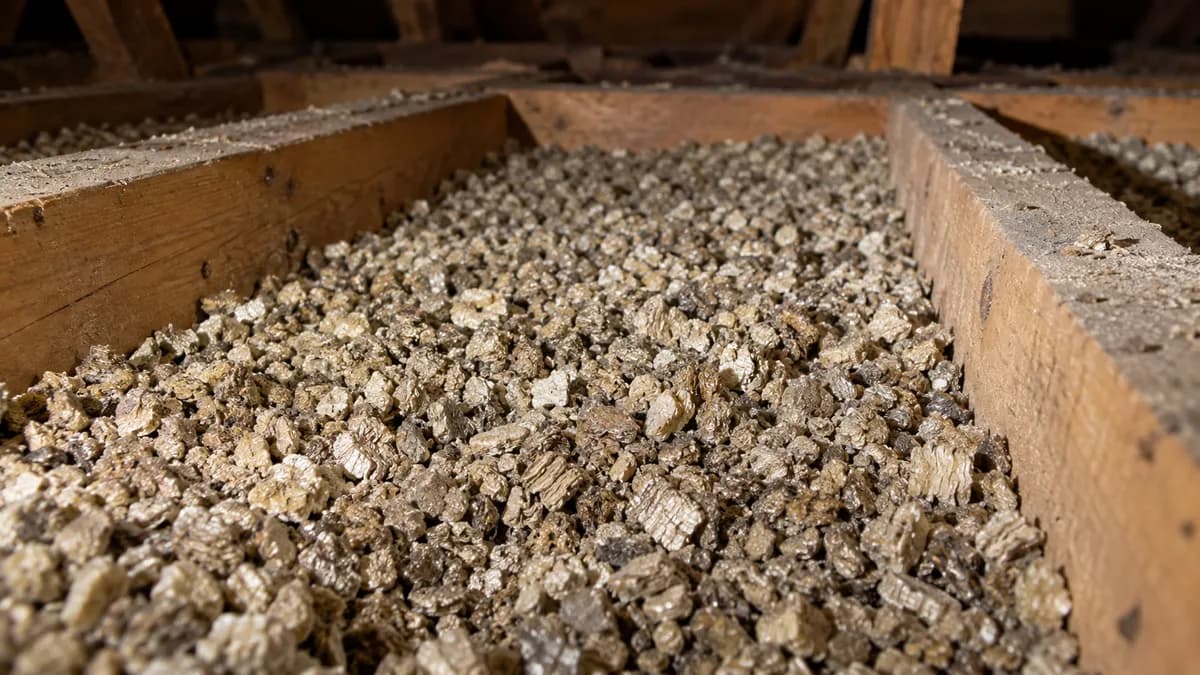
Fall is when a lot of GTA homeowners climb into the attic for the first time in years, usually to check the insulation before winter or to get a quote for topping it up. Some of them find a loose, pebbly, grey-brown or gold material poured between the joists instead of fibreglass batts or blown-in cellulose. That material is very likely vermiculite.
Vermiculite is a natural mineral that puffs up like popcorn when heated, which made it a cheap, lightweight, pour-in insulation. The problem is where much of it came from. Vermiculite ore from a mine near Libby, Montana, which operated from the 1920s until 1990, was contaminated with amphibole asbestos, and it was sold in Canada mainly as Zonolite Attic Insulation. In 2004, Health Canada advised that, without evidence to the contrary, vermiculite insulation produced before 1990 should be assumed to contain some asbestos.
That does not mean your house is unsafe today. Health Canada's advisory is clear that the risk comes from disturbing the material, and that vermiculite sealed off in an attic or inside walls poses very little risk if it is left alone. This guide explains how to recognize it, what to do and not do, how testing works in Ontario, and what vermiculite removal involves when you need it.
How to tell if you have vermiculite insulation
You can usually spot vermiculite from the attic hatch with a flashlight, without stepping into the attic or touching anything. Look for:
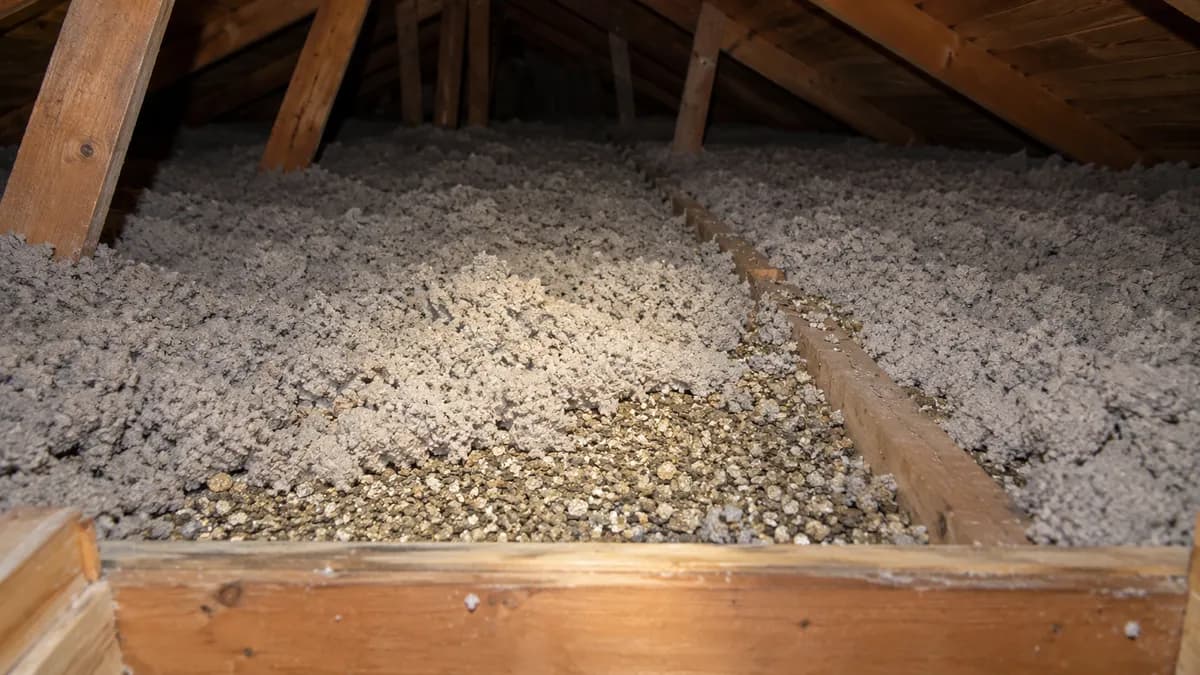
- Loose granules about the size of a pea or smaller, poured between the ceiling joists rather than rolled out in batts.
- A grey-brown, gold or silvery colour, sometimes with a slight shimmer when the light hits it.
- Small, layered, accordion-like pieces that look a bit like puffed rice or pumice.
- A very light material that has settled into a flat, gravel-like layer, often a few inches deep.
- Vermiculite buried under newer insulation. Many attics were topped up with blown-in cellulose or fibreglass years later, so the vermiculite may only be visible at the edges, near the hatch or where the newer insulation is thin.
Which Ontario homes are most likely to have it
Vermiculite turns up most often in houses built or insulated before 1990. In the GTA that covers a large share of the housing stock: post-war bungalows and storey-and-a-half homes in Scarborough, Etobicoke and North York, older detached and semi-detached homes across Toronto, and many of the first suburbs in Mississauga and Oakville.
Federal insulation retrofit programs in the late 1970s and early 1980s encouraged homeowners to add attic insulation, and pour-in vermiculite was one of the easiest products to install yourself. So even a home that was originally built without it may have had it added during that period. If the house has changed hands since then, the current owner often has no idea what is up there.
What to do and not do if you find vermiculite
The advice from Health Canada and from asbestos professionals is consistent: leave it alone until you know what it is, and keep fibres from reaching the living space.
Do
Treat it as asbestos-containing until a proper test says otherwise, and take a few simple steps to keep it contained:
- Keep the attic hatch closed and limit trips into the attic.
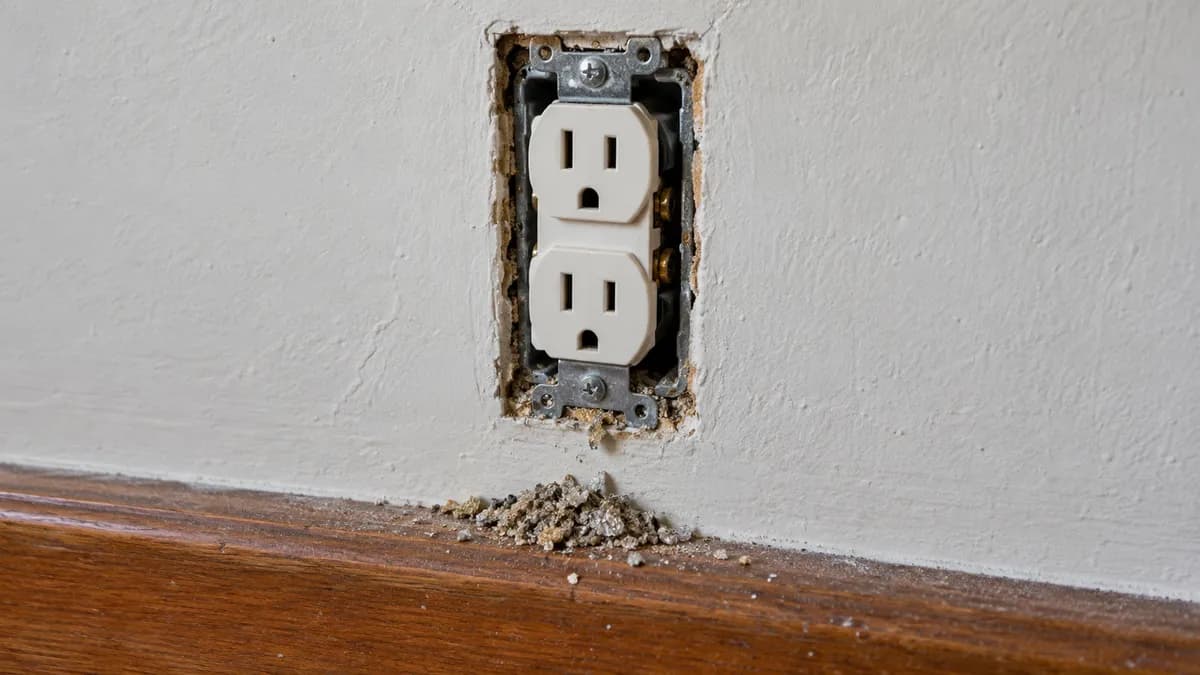
- Seal gaps where the ceiling meets the attic, such as around light fixtures, ceiling fans and the hatch, so dust cannot drift down into rooms.
- Tell any electrician, insulation installer, roofer or renovator before they start work that could reach the attic or the top-floor ceilings.
- Arrange testing before any renovation, insulation top-up or ceiling work.
Do not
Most exposure happens when someone disturbs vermiculite without knowing what it is. Avoid:
- Removing it yourself or vacuuming it with a household or shop vacuum, which blows fine fibres straight back into the air.
- Storing boxes or holiday decorations in the attic, or letting children play up there.
- Blowing new insulation over top of it before it has been tested.
- Cutting into the top-floor ceiling, installing pot lights or running new wiring through the attic.
- Sampling it by digging around with your hands, especially without proper protection.
How vermiculite is tested in Ontario
Asbestos can only be identified under a microscope, so a lab test is the only way to know. A few things are specific to vermiculite:
- Asbestos in vermiculite is not spread evenly, and the heavier fibres tend to settle to the bottom of the layer, so samples should be taken from the lower part of the insulation, close to the ceiling boards.
- One sample is not enough. Professionals take several samples from different parts of the attic, and Ontario's asbestos regulation sets minimum sample counts before a material can be treated as asbestos-free.
- A result of 'none detected' on vermiculite does not always mean zero asbestos, because trace amounts can be missed. That is why Health Canada's advice is to keep treating pre-1990 vermiculite with caution even after a clean result.
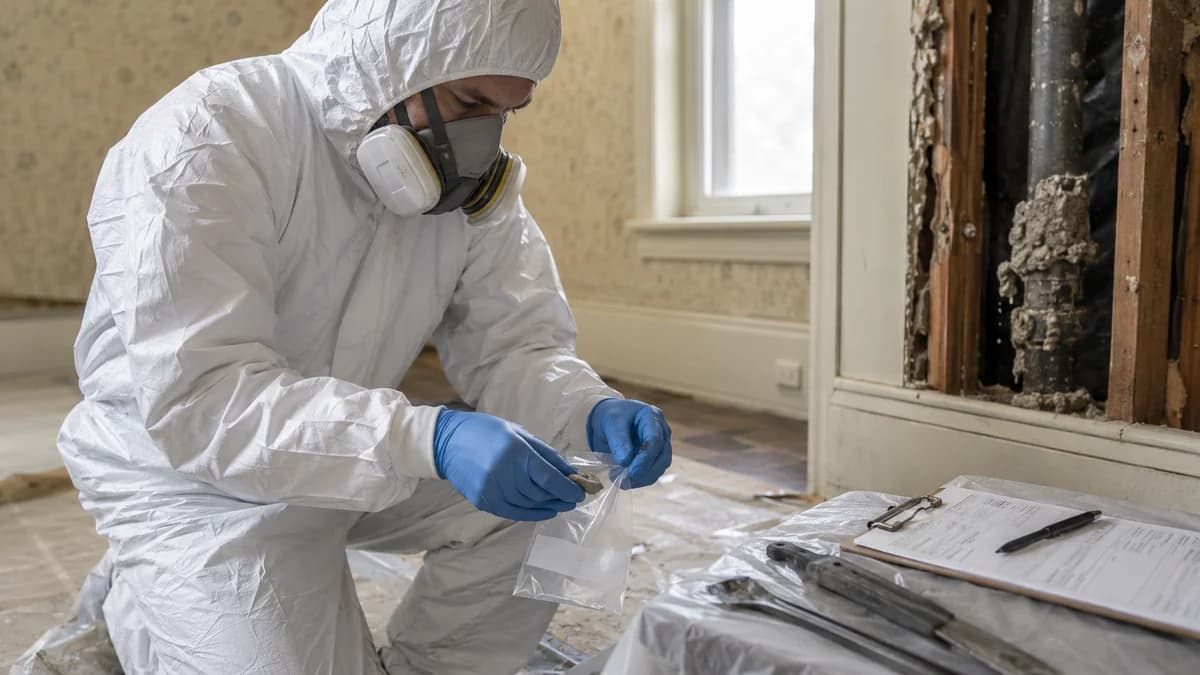
- Sampling itself disturbs the material, so it should be done by someone with the right respirator and procedures, not by poking around with a sandwich bag.
What vermiculite removal involves
In Ontario, asbestos work on buildings falls under Ontario Regulation 278/05, which sorts asbestos jobs into Type 1, Type 2 and Type 3 operations by risk. Removing more than about a square metre of friable asbestos-containing material, which is material that crumbles under hand pressure, is a Type 3 operation, the highest-risk category. Loose vermiculite that contains asbestos is about as friable as a material gets, so a typical attic removal is handled at that level.
In practice, a professional vermiculite removal usually looks like this:
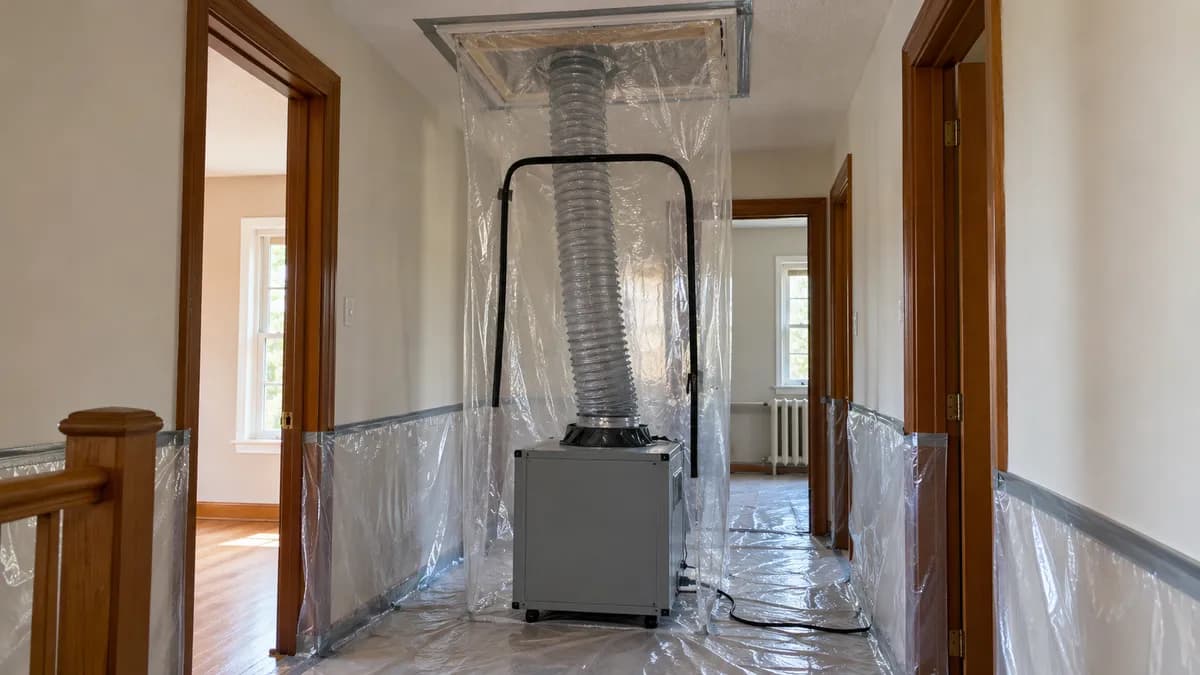
- 1Testing and a work plan, including how the attic will be accessed and how the rooms below will be protected.
- 2Containment: the attic is sealed off from the house, the access route is protected with poly sheeting, and the work area is put under negative air pressure with HEPA filtration so air flows into the attic, not out of it.
- 3Removal with a specialized HEPA vacuum system that pulls the vermiculite out of the joist spaces and into sealed bags or bins, followed by hand cleaning of the joists and ceiling boards.
- 4Bagging, labelling and transporting the material as asbestos waste to an approved disposal site.
- 5Final cleaning and air clearance testing before the containment comes down.
- 6Re-insulating the empty attic, ideally after air sealing the ceiling, which is the best chance you will ever have to do it properly.
How much vermiculite removal costs in the GTA
Cost depends mostly on the size of the attic, how deep the vermiculite is, how easy the attic is to reach, and whether there is newer insulation on top that has to come out with it. Published reviews from GTA homeowners give a realistic sense of the range:
- Testing costs a small fraction of removal and tells you whether you need to spend anything at all.
- Removal is usually the larger part of the bill, because of the containment, protective equipment, specialized vacuum and disposal requirements.
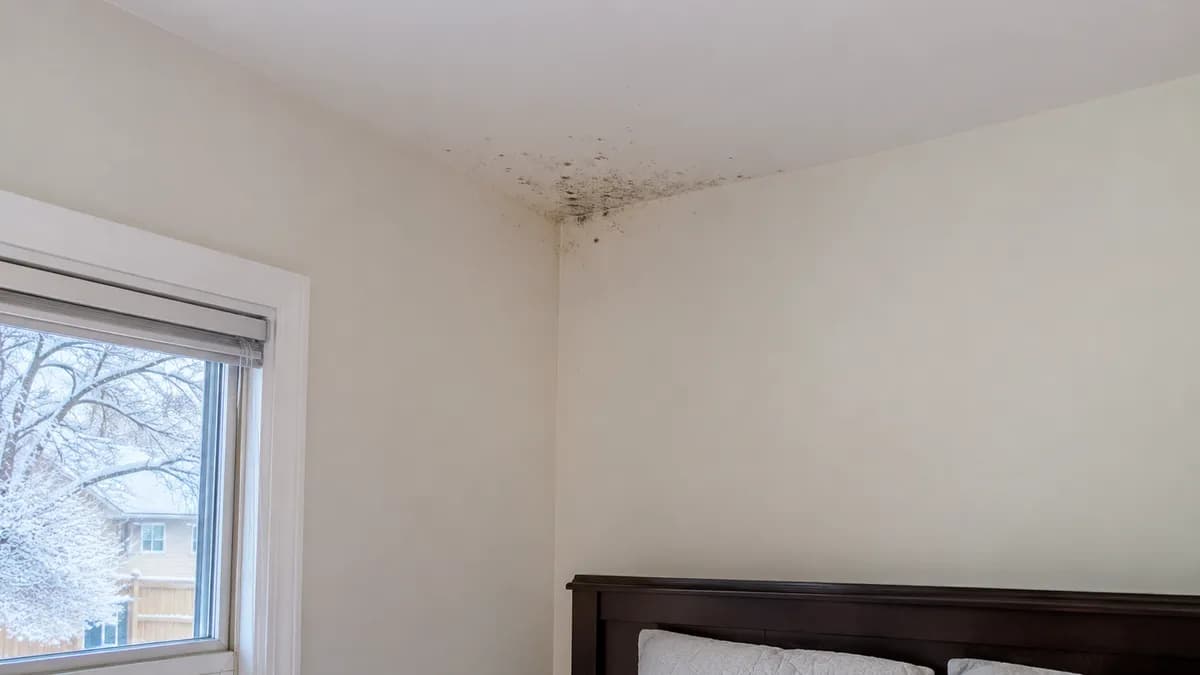
- Re-insulating, air sealing and any attic mould cleanup are separate items, so ask for them to be broken out in the quote.
- Home insurance generally does not pay for removing vermiculite, since it is a pre-existing material rather than sudden damage.
| Project | Reported total |
|---|---|
| Vermiculite removal from an Etobicoke attic | About $5,900 |
| Vermiculite removal plus new cellulose insulation | About $9,000 |
| Asbestos and mould remediation in an upper attic | About $12,500 |
| Vermiculite removal, mould cleanup and R60 re-insulation | About $16,500 |
Selling or buying a house with vermiculite
Home inspectors in the GTA routinely flag vermiculite, and it often comes up during a sale. If you are selling, having test results or removal paperwork on hand avoids a last-minute negotiation. If you are buying, ask whether the attic has been tested and budget for testing and possible removal before you plan any renovation. Our guide to asbestos testing before renovating covers the other materials worth checking in older homes, such as pipe wrap, floor tiles and textured ceilings.
Think you have vermiculite in your attic?
If you have spotted loose, pebble-like insulation in your attic or walls, the safest next step is to leave it alone and have it tested. Rosehill Restoration Services provides vermiculite testing and removal and asbestos removal across Toronto, North York, Etobicoke, Scarborough, Mississauga, Oakville and the wider GTA, with containment, HEPA filtration and proper disposal on every job.
We can also clean up any attic mould and help you plan re-insulation once the vermiculite is gone. Book a free estimate and tell us what you found.
Related Restoration Services
Restoration Crews Near You
We respond 24/7 across the Greater Toronto Area. Find your city:
About the Author
Rosehill Restoration Services
IICRC Certified Firm
Rosehill Restoration Services is an IICRC Certified Firm handling water, fire, mould, asbestos, and storm damage across the Greater Toronto Area. Our lead technicians carry Water Damage Restoration (WRT), Applied Structural Drying (ASD), and Fire & Smoke Restoration (FSRT) certifications, and every article here is written from live job experience across GTA properties.
- IICRC Certified Firm
- IHSA COR Certified
- WSIB Ontario Covered
- EACO Member